Rooted in this community. Relentless for its people.
What to Do After a Car Accident in Georgia
The moments after a car accident can feel confusing and overwhelming. You may be shaken, unsure whether you are injured, and uncertain about what information you need to collect.
Your safety comes first. Once immediate medical needs have been addressed, the steps you take can also help protect important evidence and your ability to pursue a claim.
Stop and Check for Injuries
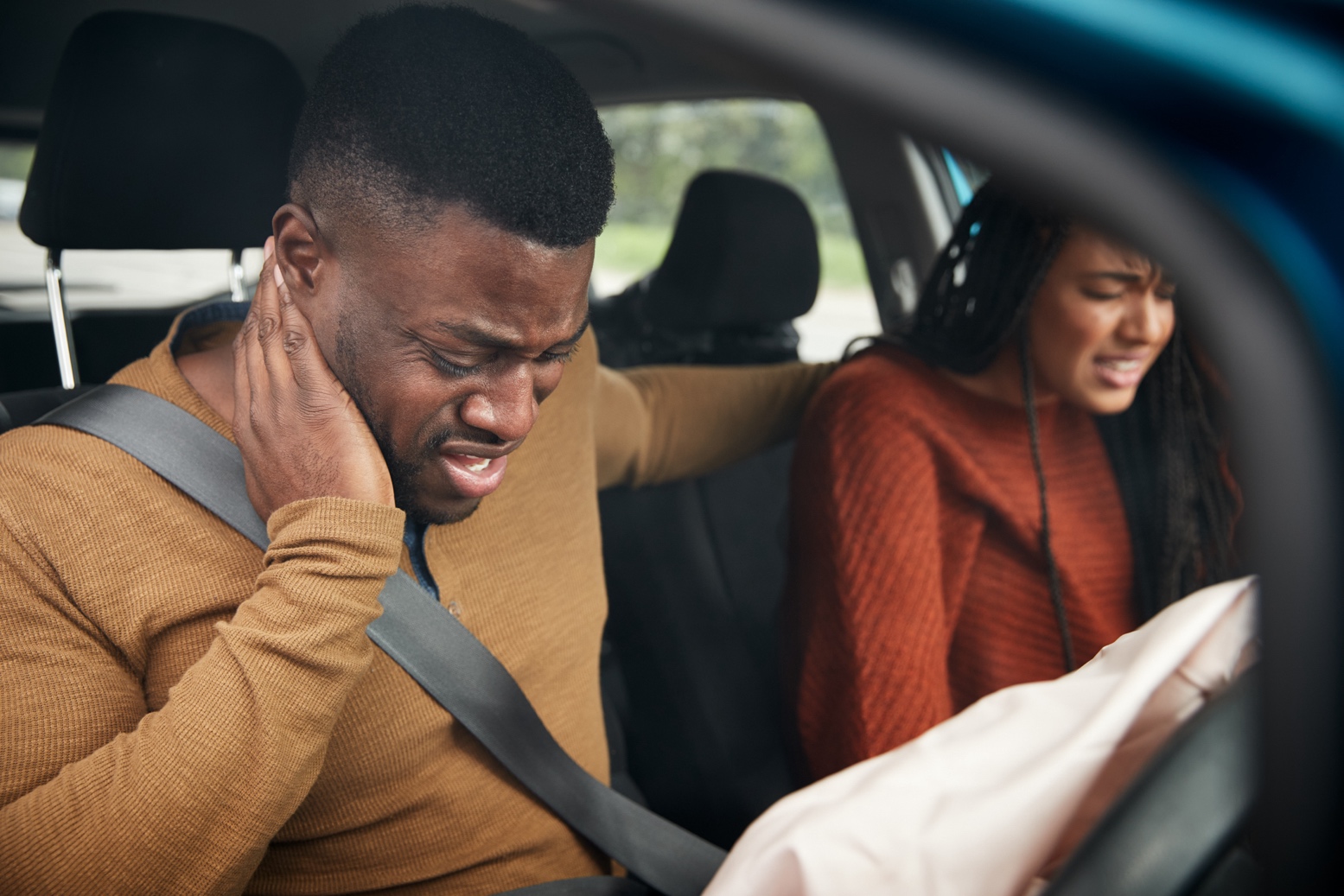
Stop your vehicle as close to the scene as safely possible. Check yourself and your passengers for injuries, but avoid making sudden movements if you are experiencing significant pain, dizziness, numbness, or confusion.
Call 911 if anyone is injured, appears disoriented, or needs emergency assistance. If you are physically able to do so safely, check whether anyone in the other vehicle needs help.
Move to a Safe Location When Possible
If remaining where you are puts you in danger from passing traffic, move to a safer location when you can do so without creating an additional risk. Turn on your hazard lights and remain alert to surrounding traffic.
Do not leave the scene until you have exchanged the required information and complied with instructions from responding law enforcement.
Contact Law Enforcement
Report the accident and request that an officer come to the scene, particularly when someone is injured or the vehicles or other property have been damaged.
When an officer responds, provide accurate information without guessing about details you do not remember. Ask how and when you can obtain a copy of the accident report.
A police report does not necessarily determine who is legally responsible, but it can provide important information about the drivers, vehicles, witnesses, location, and circumstances of the collision.
Exchange Information
Obtain the following information from the other driver:
- Full name and contact information
- Driver’s license information
- Insurance company and policy number
- Vehicle make, model, color, and license plate
- Name of the vehicle’s registered owner
- Employer and commercial vehicle information, if applicable
You should also provide the information required from you. Keep the conversation calm and focused on exchanging details.
Document the Scene
If you can do so safely, use your phone to photograph or record:
- The position of the vehicles
- Damage to every vehicle involved
- License plates
- Skid marks, debris, or damaged roadside property
- Traffic signals and signs
- The roadway and surrounding intersection
- Weather, lighting, and road conditions
- Any visible injuries
Take both close-up and wide photographs. If your injuries prevent you from documenting the scene, ask a trusted passenger or witness for help.
Avoid Admitting Fault or Speculating
Be truthful and cooperative, but do not guess about speed, distance, or events you did not clearly observe. Avoid apologizing, accepting blame, or arguing about who caused the accident.
A collision can involve factors you may not know about at the scene, and responsibility should be evaluated after the available evidence has been reviewed.
Seek Medical Attention
Some injuries are immediately apparent. Others may become noticeable hours or days later, after the initial shock and adrenaline begin to wear off.
Seek medical attention if you are experiencing pain, headaches, dizziness, numbness, confusion, limited movement, or any other unusual symptoms. Tell the medical provider that you were involved in a motor vehicle accident and accurately describe what you are experiencing.
Follow your provider’s recommendations and attend scheduled follow-up appointments. Delays or significant gaps in care can affect both your health and the documentation of your injuries.
Notify Your Insurance Company
Report the accident to your insurance company within the time required by your policy. Provide accurate basic information and ask for your claim number and the contact information of the assigned representative.
Be careful when speaking with another driver’s insurance company. You may be asked to provide a recorded statement, sign medical authorizations, or accept an early settlement before the extent of your injuries is known. Consider speaking with an attorney before making detailed statements or signing documents for the other party’s insurer.
Keep Records of Everything
Create a file for documents and information related to the accident, including:
- The police report
- Photographs and videos
- Medical records and bills
- Prescription and treatment information
- Vehicle repair estimates
- Towing and rental-car receipts
- Insurance correspondence
- Proof of missed work or lost income
- Notes about pain, physical limitations, and daily challenges
Keep copies of emails, letters, text messages, and claim documents. Avoid relying on memory alone.
When Should You Contact an Attorney?
Not every accident requires legal representation. However, it may be helpful to speak with an attorney when:
- You or a passenger was injured
- The other driver disputes responsibility
- A commercial truck or company vehicle was involved
- Multiple vehicles or insurance policies are involved
- The at-fault driver may be uninsured or underinsured
- The insurance company requests a recorded statement
- You are offered a settlement before treatment is complete
- The accident resulted in a serious injury or death
- You are unsure how to protect your rights
Speaking with an attorney early may help preserve evidence, identify available insurance coverage, and prevent avoidable mistakes.
Speak With Reid Law Group
If you were injured in a Georgia car accident, Reid Law Group is here to help you understand what comes next. We will listen to what happened, answer your questions, and explain the legal options that may be available based on your circumstances.
Your initial consultation is provided at no cost. Speaking with our team does not obligate you to move forward with representation.
Call (678) 342-9333 or contact us online to schedule your consultation.
This information is provided for general educational purposes and is not legal advice. If you are experiencing a medical emergency, call 911.